Strategic Adolescent Reading Intervention
STARI is a literature-focused, Tier II intervention for students in grades 6 and up who read two or more years below grade level.
By the time students reach the middle grades, they are expected to
read to learn.
Not learn to read.

The Challenge
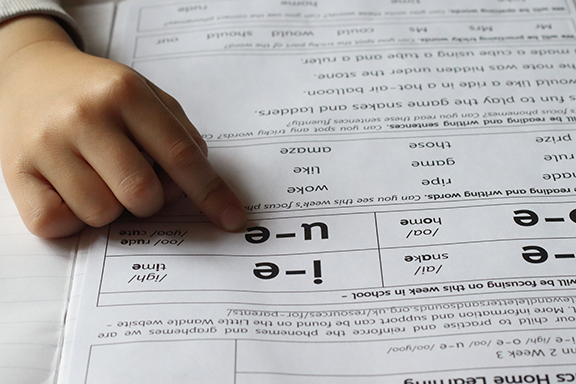
But there are many students in middle and high school who can’t decode or fluently read more complex text and need targeted, intensive reading instruction. Yet, typical remedial materials are not engaging for adolescent thinkers.
Because struggling older readers have experienced years of underachievement, effective intervention also needs to address reading motivation, confidence, and engagement.
STARI's Approach:
Using research-based practices and highly engaging texts,
STARI addresses gaps in fluency, decoding, reading stamina, and comprehension.
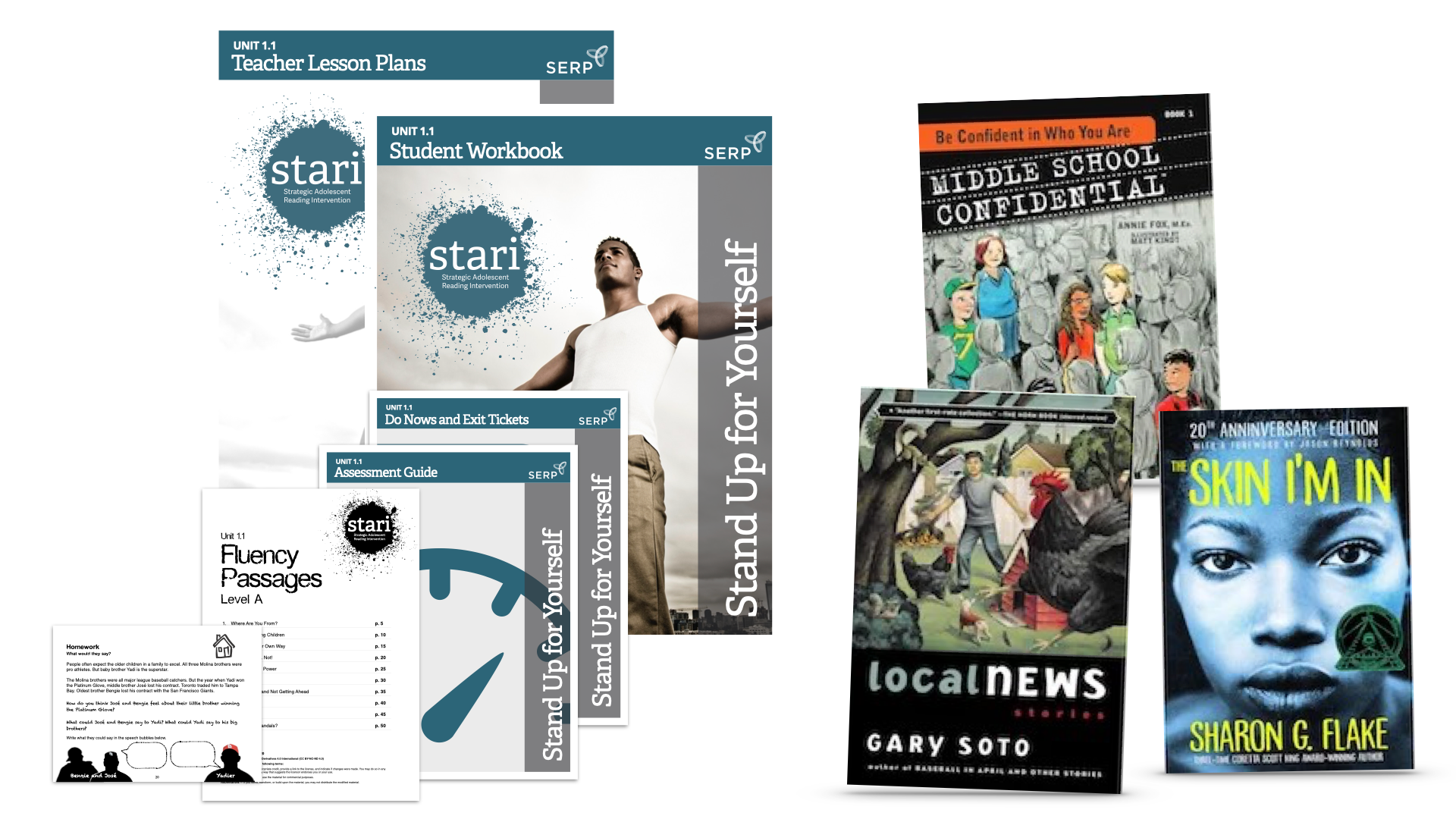
STARI is designed to be a daily intervention.
STARI is intended to be a “double dose” intervention that should not take the place of core curriculum. We recommend that schools devote either 45-60 minutes, 5 days a week, or 90 minutes on an A-day/B-day schedule, to STARI.
What Makes STARI Different
STARI is designed to build reading confidence, stamina, and engagement, along with classroom discussion skills that are critical for success in secondary school and beyond.
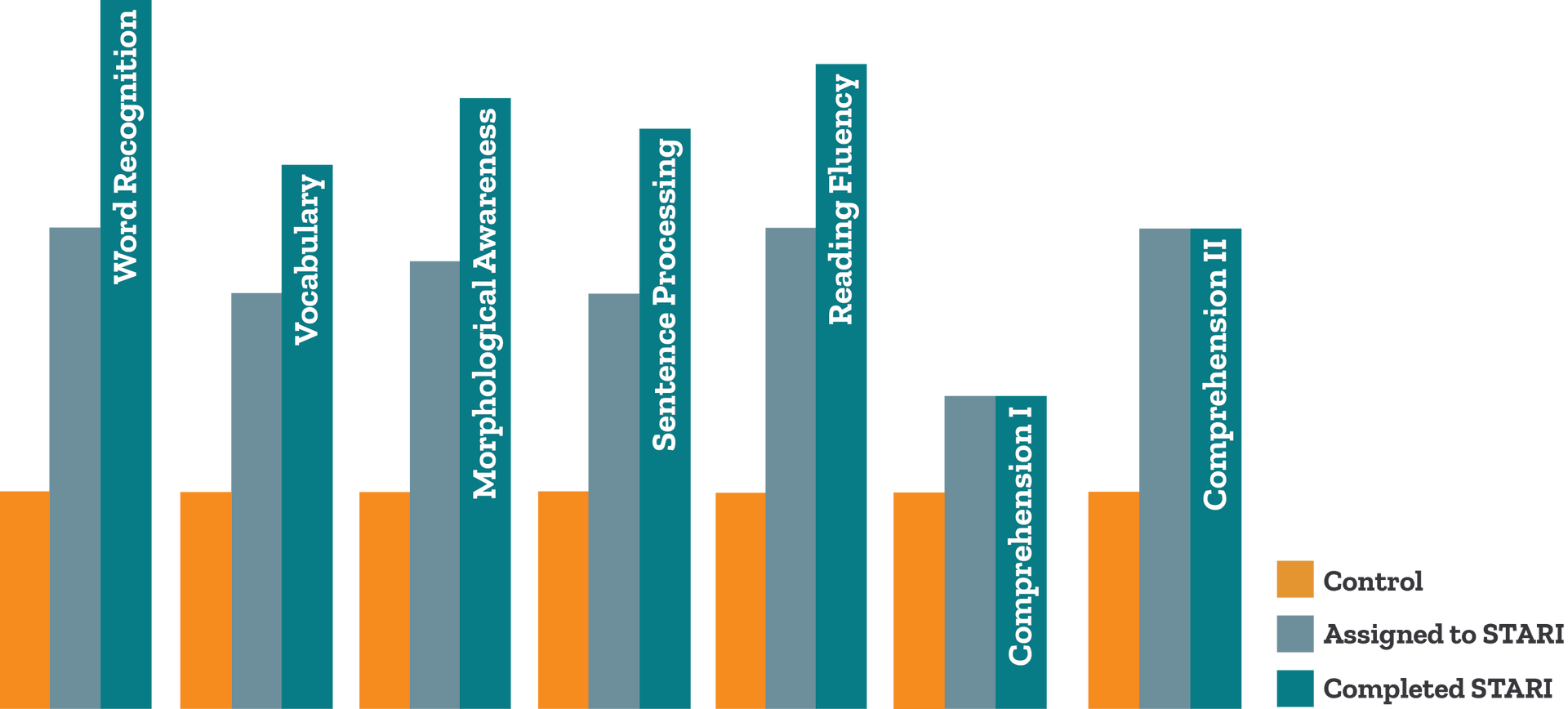
Proven Results
The evidence is clear … STARI works!
In randomized trials, STARI students outperformed peers on foundational reading skills on the ReadBasix assessment as well as state standardized tests.
Teachers and students love STARI.

In some of the other intervention programs that I've taught there's really an emphasis on one component of language, so the emphasis might just be on fluency or might just be on decoding or just on comprehension.
STARI gives me the opportunity to reach across to where a lot of the gaps are. In my student group, you have English language learners, students with IEPs, and students who have just been low-performing or plateauing in their reading skills.
I think that having that holistic approach to developing reading skills, including the discussion components, really makes a big difference.
Ariadna Phillips-Santos, 8th Grade Teacher
STARI has actually helped me to become a better reader because, at the beginning of the year, I thought I wasn't much of a fluent reader. I kept pausing in the middle of reading a sentence. But the more I read, the more practice it took ... I just became better.
AJ, 8th Grade Student
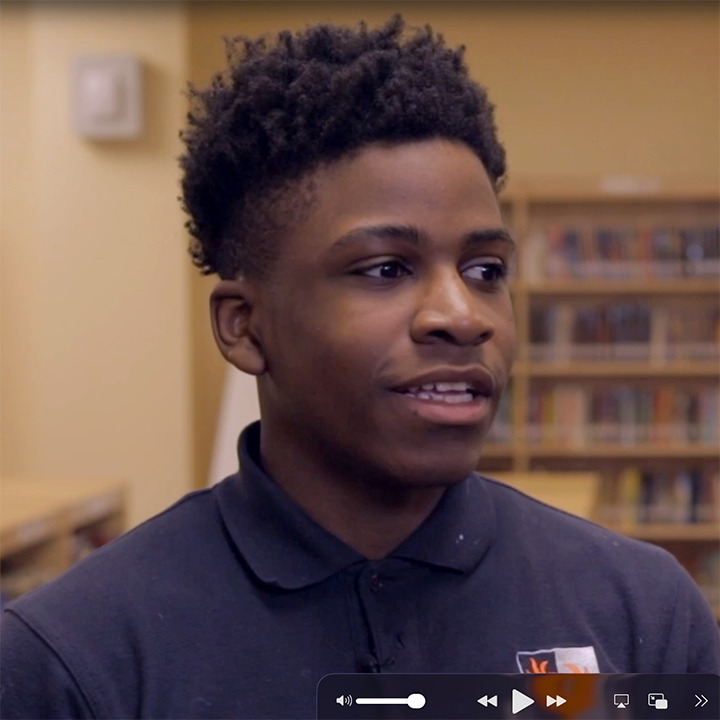

STARI has been a great program to target a group of students who are needing support both with fluency and comprehension simultaneously. Further, STARI is grounded in high-interest texts that feel really relevant to kids in their lives. These texts and the themes that STARI is addressing help drive engagement, and that's really powerful.
Adam Weinstock, Literacy Coach
STARI has helped me become a better reader because talking with others and hearing the opinions of others can help me learn more about what I'm reading about.
Jasmine, 7th Grade Student

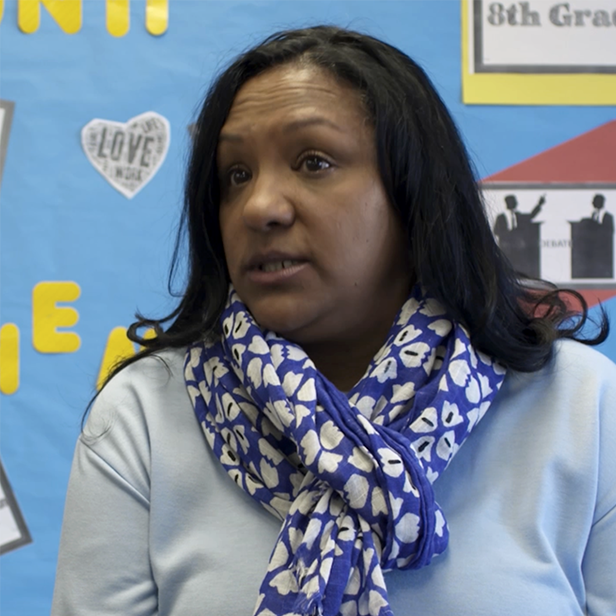
The data that we've recently been able to review has shown that kids have moved four to five levels in STARI. Just in the small amount of time that we have been able to implement the program. Four to five grade levels. One girl, in particular, I remember started off at kindergarten level. I think she's now close to third grade level. So that's significant.
Kamala Carnes, Middle School Principal
My favorite thing is when we actually talk with our partners about something that we're confused with in the book so we understand it better. It makes me more confident to actually speak up, and actually talk about something in the book, rather than just staying quiet and not really understanding
Izamar, 8th Grade Student
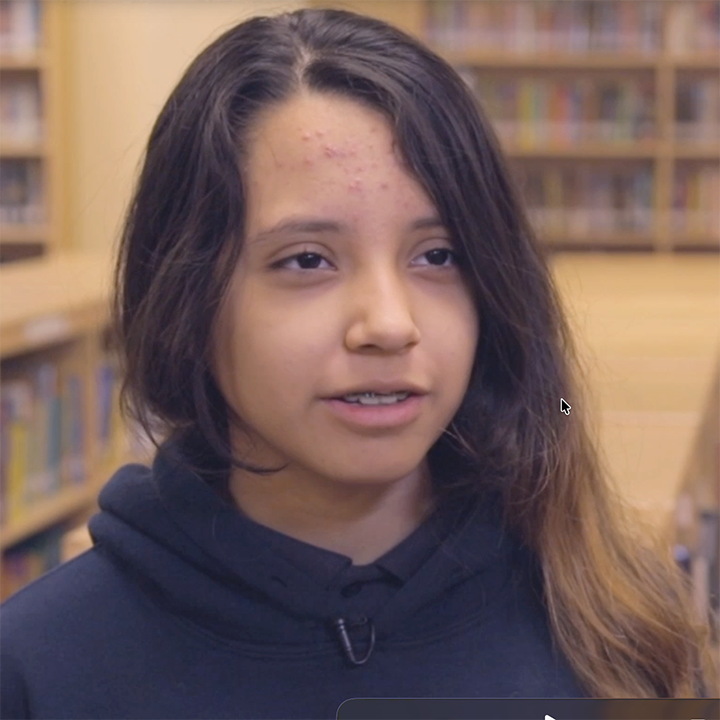

I think it's important to understand how necessary the program is for middle school. Middle school students still want to read the good stuff, they're just having a hard time accessing it. And this program really, really nailed that. It helped them to read the actual, really good books, but on their own pace and with the extra scaffolding that they need.
Cheri McKenzie, Middle School Teacher
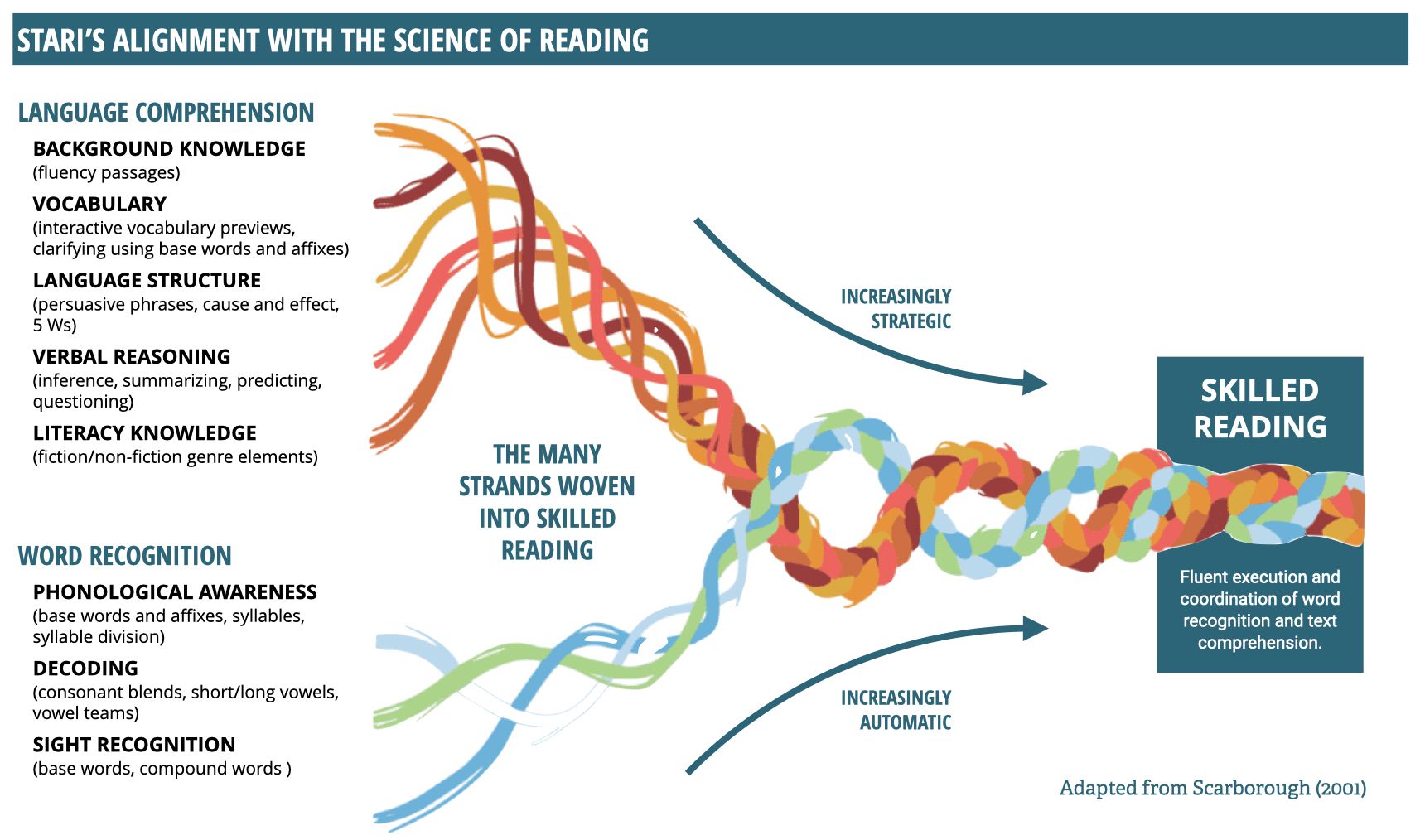
STARI is aligned with the science of reading.
STARI applies the science of reading to upper grades (6 and up) by focusing on both word recognition and language comprehension, using engaging, complex, age-appropriate texts.
How does STARI align with the science of reading?

STARI is supported by flexible professional learning.
Teachers and coaches can complete the online professional learning series individually, or local facilitators can be supported to lead an institute prior to the start of school and lead pre-planned PLC sessions during the school year.
STARI is classroom-ready.
For districts and schools that need to plan now for what lies ahead, STARI is ready to go!
Download STARI student workbooks and teacher lesson plans for free.
Purchase STARI printed curriculum and accompanying literature.
You may also find the novels and other books through the vendor of your choice.
Generate a quote for printed STARI curriculum materials, literature, and professional development.