
SERP at SXSW EDU: Reflections from the Field
What we heard, what we’re thinking, and where we’re heading next...
This March, the STARI team joined educators, researchers, designers, and edtech leaders from across the country at SXSW EDU in Austin, Texas.
We arrived ready to share our work - through a live taping of SERP Stories and conversations at our STARI booth - but we left with even more: new ideas, meaningful connections, and a sharpened sense of urgency about the role of research and development in education.
What follows is a snapshot of what resonated most - drawn from voices from our team.

What We Heard
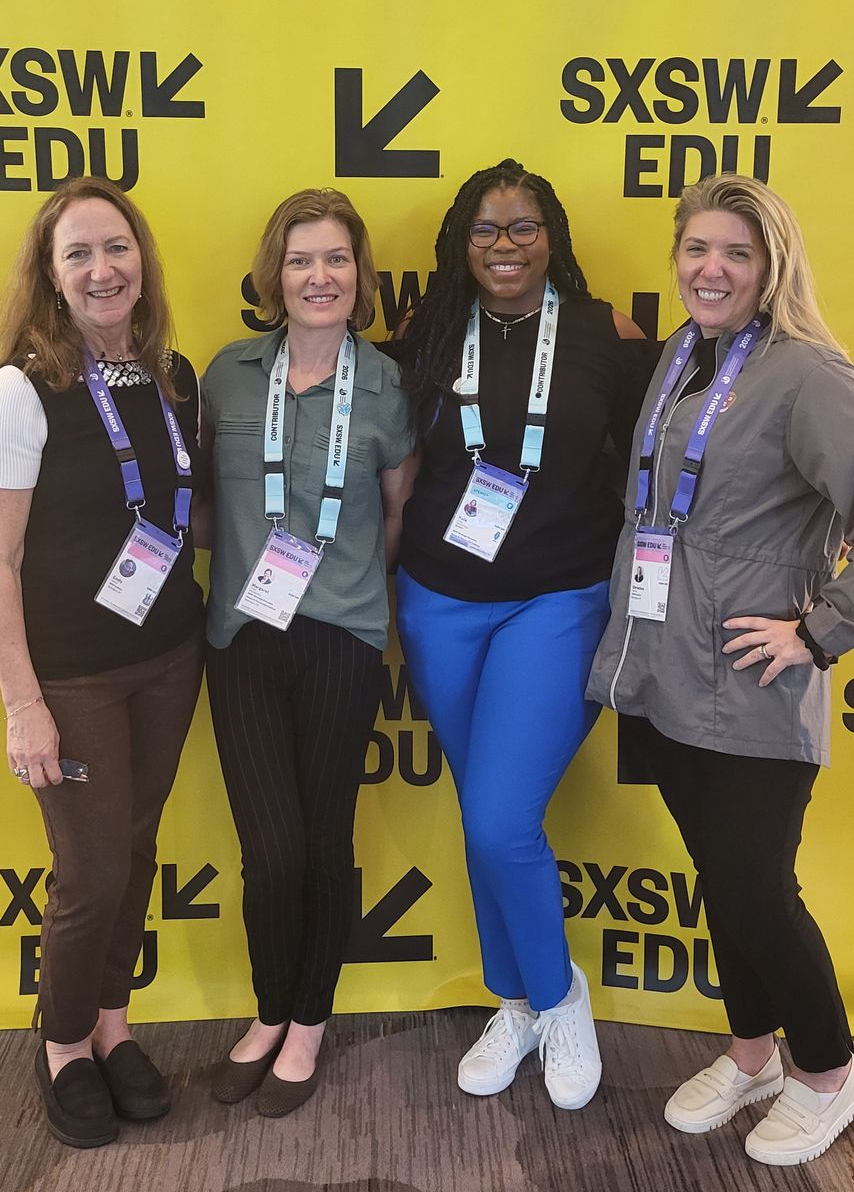
Christine Dahnke
Director of Organizational Development & Partnerships
“Do you work with adolescents?” This was a question we posed to those who stopped by our STARI booth in the Expo. It was a joy to connect with fellow educators and learn more about their contexts and the challenges they’re navigating in serving middle and high school students.
The steady engagement reminded us that the need for research-based Tier II interventions is broad and persistent. We were also struck by the range of visitors - not only middle school educators, but also those in adult education, community colleges, and teacher preparation programs. The experience reinforced an important point: the need for engaging, research-based literacy solutions doesn’t stop at middle school, it extends across systems.
Across sessions, a few ideas stayed with me. There was a consistent emphasis on using technology to spark curiosity and connection. Conversations about
education R&D pointed to growing momentum at the state level to build the infrastructure needed to support innovation. And, as expected, leadership lessons surfaced again and again, with principals positioned as a critical lever for change.
And in one unexpected moment,
Schooled: The Musical
brought everything back into focus. It was a reminder that student identity, voice, and aspiration must remain at the center of education conversations.
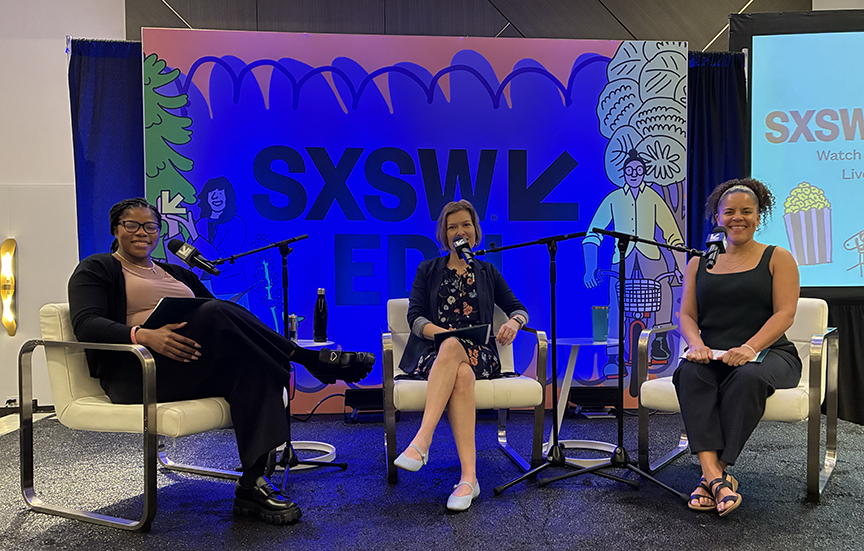
Kala Jones
SERP Stories Host & Literacy Specialist
The live taping of SERP Stories was a reminder that presence is its own kind of practice. The crowd was affirming, the Q&A was lively, and there’s something you can only access when you're actually in the room with people who are wrestling with the same questions you are. That magic can’t be replicated via comments or a screen, and that’s not talked about enough.
A session on ancestral intelligence in the age of AI deepened that for me. The speakers asked us to sit with a longer arc than the current tech moment usually allows; to consider whose knowledge systems have always been intelligence, just not always named as such. It was a reframe that felt personally and professionally clarifying: the long game isn't new. Some communities have been playing it across generations, across erasure, across everything.
And then
The Box Sent Back from the Future made it visceral. Being handed “artifacts” from 2051 and asked to reverse-engineer how we got there wasn't just a creative exercise– it was a practice in taking the future seriously as a place we're actively building toward. Equity and imagination aren't destinations. They're disciplines. And being present to that — really present — is where the work begins.
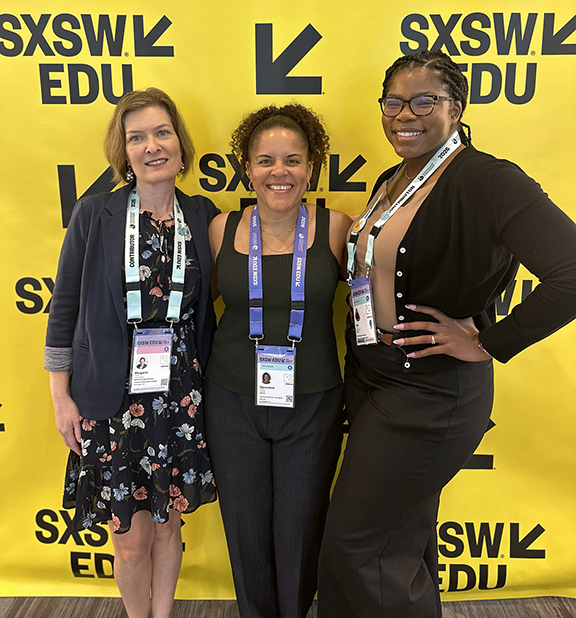
Margaret Troyer
Director of Literacy Research and Development
I kept noticing how often the conversation returned to
systems, not just solutions.
In addition to the discussion of systems in our own session, I attended several sessions focused on adopting and scaling the use of high quality instructional materials (HQIM). All the presenters agreed that adopting HQIM was just one step in a process. In the words of Dr. Nyshawana Francis-Thompson from Philadelphia, “Programs matter, but people matter more.”
These leaders described a process that began with engaging a wide range of stakeholders (“from the boardroom all the way to the classroom,” as Dr. Latonya Goffney from Aldine ISD said) in defining
why a new program needs to be adopted,
why this particular program was chosen, and
how its success will be measured. An implementation plan needs to be in place before a curriculum is chosen, and teachers need to be supported through professional learning.
And this isn’t just a one-year process! Leaders talked about the way professional learning should look different in year one, in year three, and in year five - and who is leading the professional learning should look different too, as school-based staff transition into roles of leadership in implementing HQIM. It was inspiring to hear from leaders who were so planful in adopting the best materials for student and teacher success.
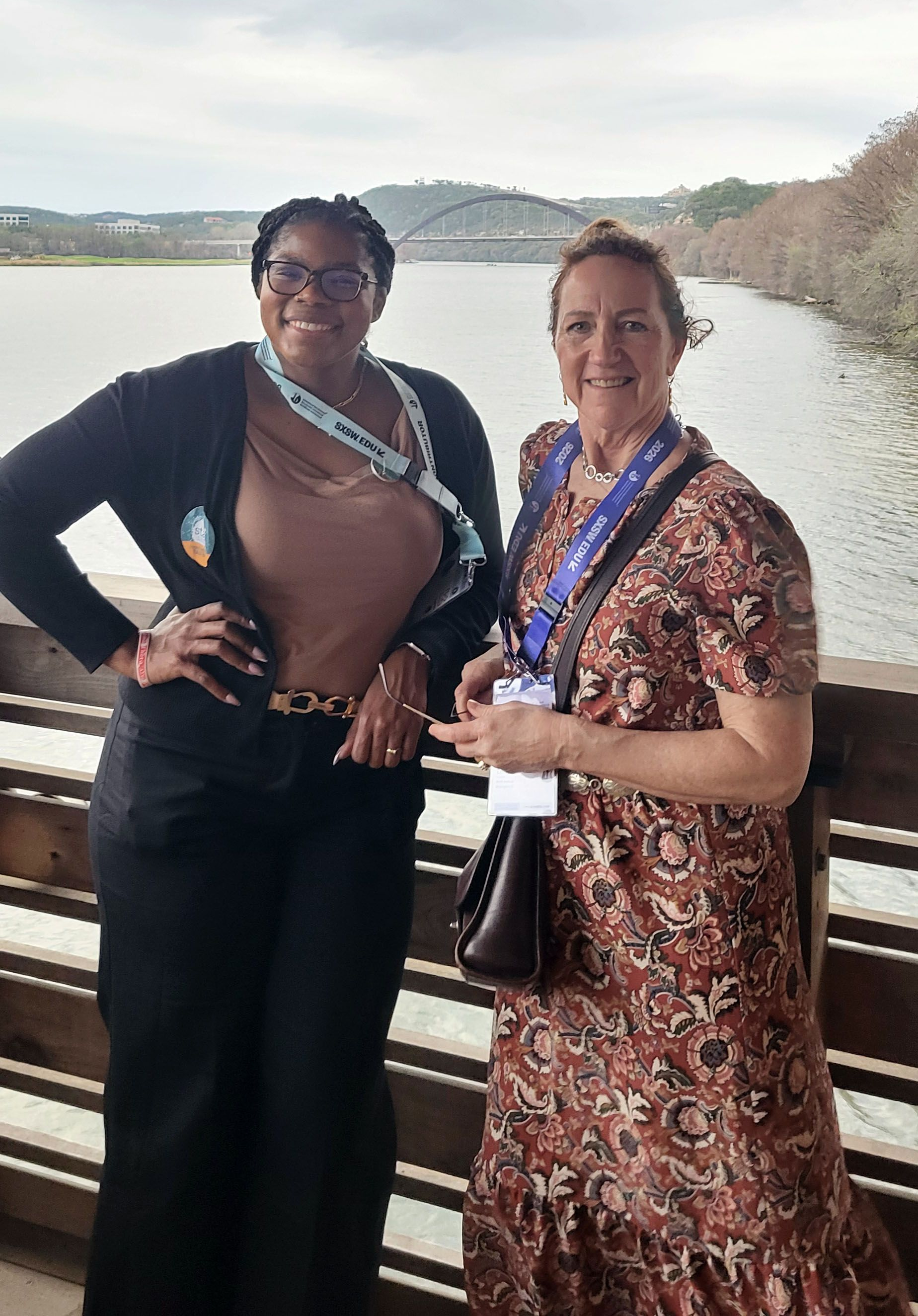
Emily Hayden
Literacy Specialist
“Public Education Holds Worth.” These words, featured in the The Holdsworth Center’s logo, were reinforced in President Lindsay Whorton’s interview with Beth Frerking.
Set on a 44-acre retreat along Lake Austin, the Holdsworth Center brings Texas educational leaders together to connect, reflect, and strengthen preK–12 public education through leadership development. Though Texas-based, Dr. Whorton’s message resonates broadly: we won’t have the democracy we want without strong, transformational public education—and that requires sustained investment in leadership.
So how can leaders meet this moment—navigating today’s complex political landscape while creating schools that truly transform students’ lives?
At SXSW EDU,
Laureen Adams,
Mary Rice-Boothe, and
Tanji Reed
Marshall pointed to
contextual intelligence—a deep understanding of communities and the people within them—as essential. This approach grounds leadership in ways that are empowering and agentive, rather than reactive or protective.
It was encouraging to be in conversation with leaders at SXSW EDU who share this commitment.
What We’re Taking Forward
Across sessions, conversations, and our own reflections, a few ideas continue to shape our thinking:
Engagement Is the Missing Link
The question isn’t just what works—it is what connects.
Education R&D Is Having a Moment
From research-practice partnerships to state-level innovation efforts, there is a growing investment in building what works, alongside a need to keep this work grounded in real classrooms.
Leadership is Essential At Every Level
From principals to system leaders, sustainable change depends on leadership capacity across systems - from classrooms to central offices.
Storytelling Shapes Understanding and Action
At our booth and beyond, educators didn’t just want to hear about STARI—they wanted to share their own experiences. How we communicate research shapes how it’s understood and used.
What We’re Taking Forward
SXSW EDU is known to be high energy and our experience felt especially energizing.
There is a growing movement toward solutions that are rigorous, human-centered, and designed for real classrooms. That’s the space SERP has always worked in—and it’s where we’re doubling down.