
Behind the Scenes @SERP

David Dudley
Illustrator and Content Developer
If you’ve used SERP resources, you’ve likely noticed the illustrations woven throughout our materials. While we’re able to rely on high-quality Adobe Stock images for many of our needs, they aren’t always a perfect fit—that’s where original illustrations come in, created by our in-house illustrator and content developer, David Dudley.
An in-house illustrator allows SERP to design visuals that are closely aligned with the learning goals of each lesson, ensuring that images support understanding rather than simply decorate the page. Because having an illustrator on staff is rare, we wanted to take you behind the scenes to introduce the person behind some of our most recognizable visuals—and share a bit about his creative process and the role illustration plays in supporting teaching and learning.
From Sketchbook to Curriculum
How did you get started as an illustrator, and what drew you to this kind of work?
Like lots of people, I drew as a kid as a way of making up stories, fantasizing on paper. Drawing became a habit long before I thought of it as a possible vocation.
It took a long time, and an indirect path, for anything like a career to take shape. I majored in art at Oberlin College, and had some vague notion of being an art-for-art’s sake fine artist. I got an MA in creative writing at Temple University, then did doctoral work in English, but I lost my way, or my will, part way through a dissertation. Then, through an old family friend who was a chemistry professor at the University of California at Berkeley, I got involved with a high school chemistry curriculum development project, Living by Chemistry. I drew illustrations and cartoons for the preliminary drafts they were testing in classrooms, and also helped write and edit some lessons. I felt like I’d finally found a way to be useful while enjoying work that used the different skills I’d been cobbling together my whole life.
Content First, Always
Can you walk us through your process—from receiving concept to final illustration?
Sometimes someone else at SERP has a specific request for an illustration. Other times, I’m coming up with illustration ideas for material I’m writing, so there’s more of a back and forth between my writing brain and my illustrating brain, so to speak. I might even change the writing a bit to set up an illustration idea. Either way, content comes first: the illustration has to serve the ideas that are important in whatever project we’re working on.
How do you balance visual storytelling with educational clarity?
Good illustration should delight and instruct:
docere et delectare, to use a formulation from classical rhetoric. So style and content are not at odds; they’re two sides of the same coin. You try to entice, entertain, explain, and clarify all at once. The content motivates the form, and the form should make the content more accessible.
More Than Decoration
What’s unique about illustrating for education compared to commercial or editorial illustration?
I suppose someone who buys an illustrated magazine or a book might be ready to meet you half way, but a captive audience of students could be less receptive. So engagement and accessibility may be especially important in educational illustration. It’s also important to try to let as many students as possible see themselves in the worlds conjured by educational illustration. People who work in all aspects of education tend to have a strong sense of mission, and it’s fulfilling to contribute to that mission through illustration.
What do you find most rewarding about seeing your work embedded in WordGen, STARI, or other SERP programs?
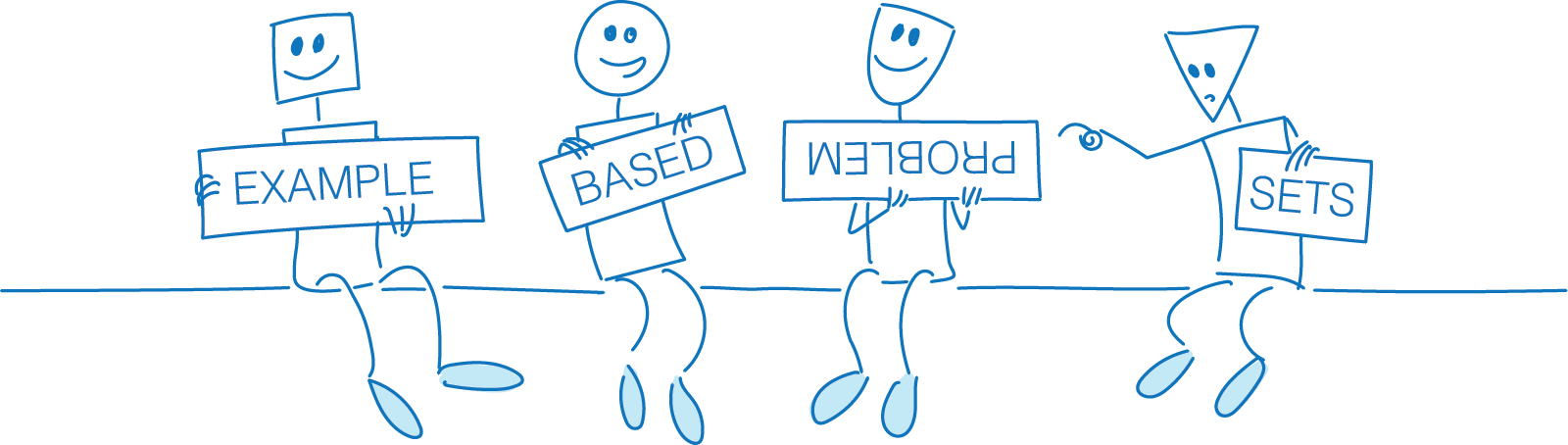
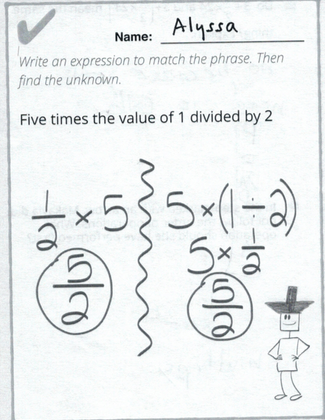
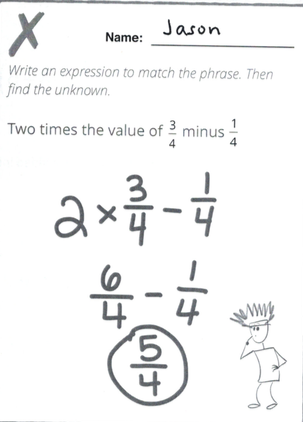
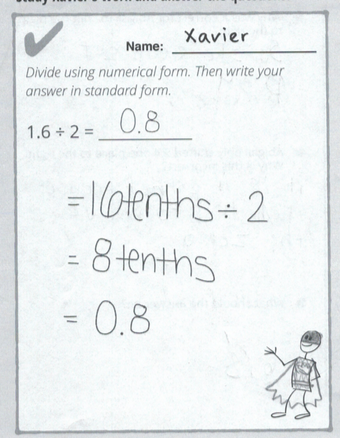
It’s been fun to see students using and enjoying my work on a few occasions when I’ve done classroom observations, or to hear back from teachers that students really enjoyed or “got” certain illustrations. I did some fairly simple, almost stick figure–like characters for SERP’s
Math by Example project, and students started spontaneously modifying the figures, adding hair, clothes, and props to the cover illustrations. It was really gratifying to see kids playing with the drawings, making them their own—kind of becoming friends with their math workbooks! (see below)

Hits and Highlights
Are there specific illustrations or characters that have resonated most with students or teachers?
I guess my all time hit, if the analytics are to be believed, is the interactive anatomy model I drew for SciGen. It has superimposed images of each organ system, and users can use sliders to change the transparency of each system, making their own unique anatomical figures. I think of it as a sophisticated toy: you wouldn’t want a surgeon using it as a map for open heart surgery, but it does allow the rest of us to play visually with the amazing interconnectedness of systems in our bodies.
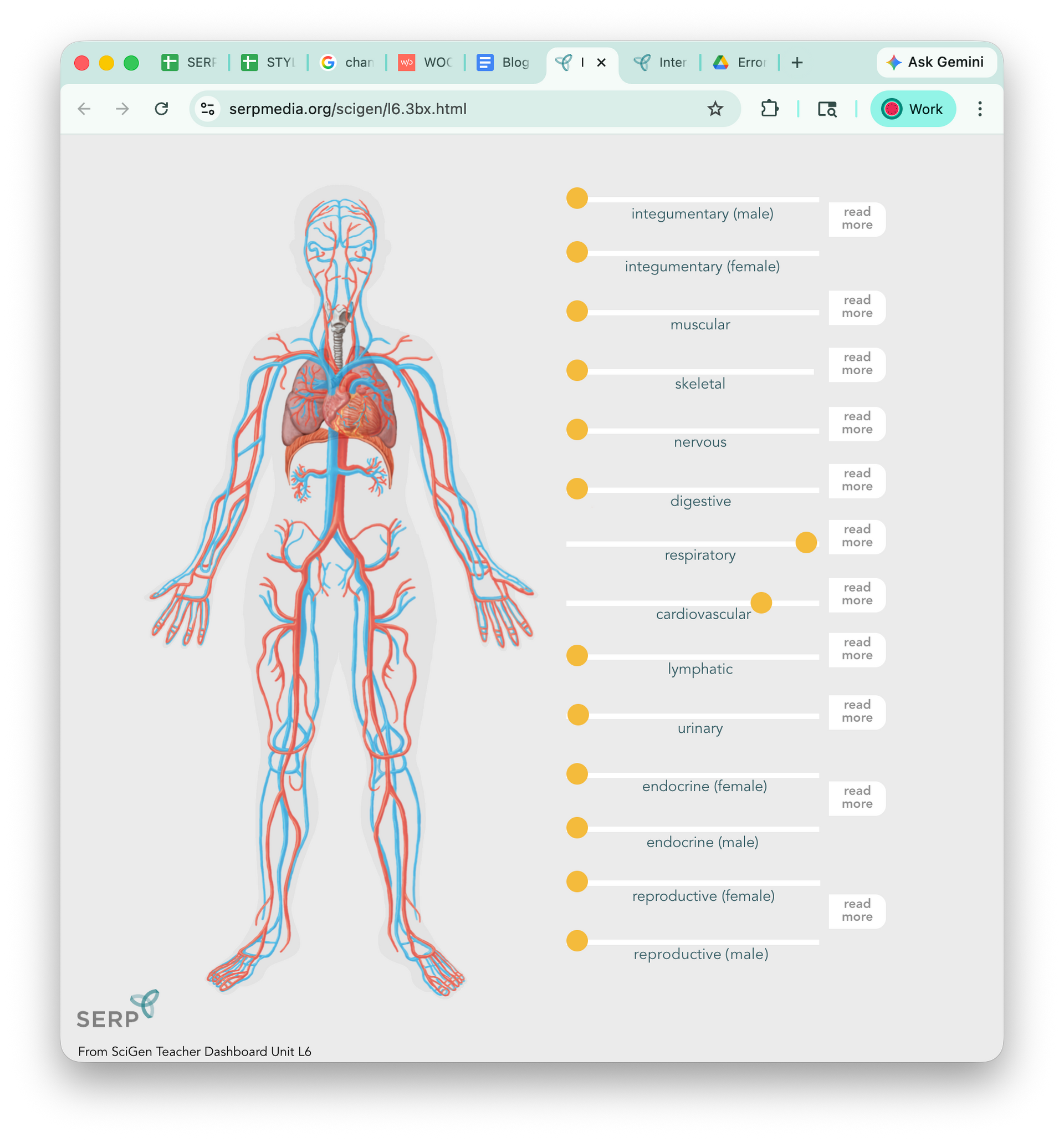
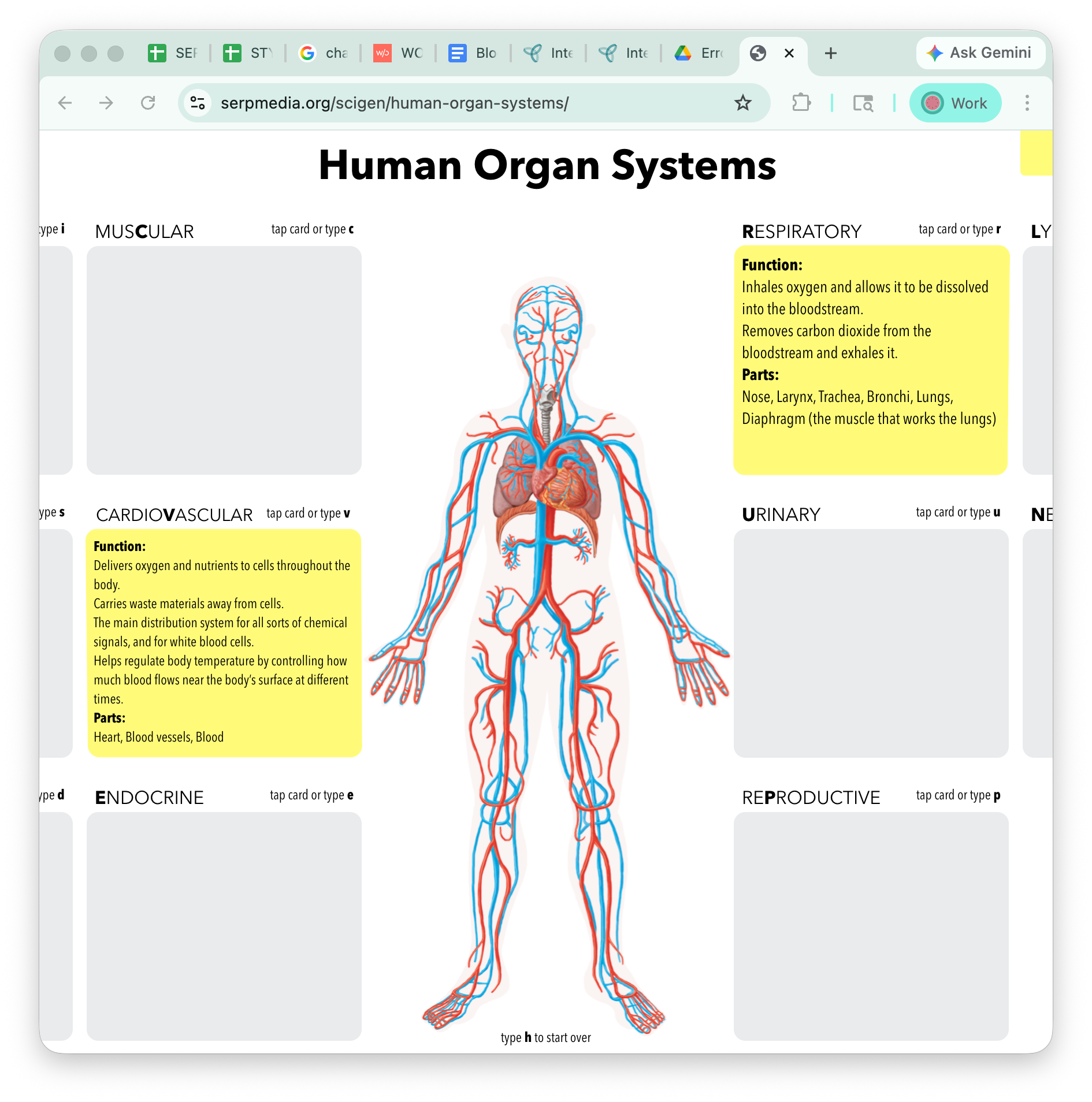
There are two versions (see above). One with transparency sliders and another version that works entirely with
keyboard strokes (to meet WCAG 2.2 accessibility standards).
What’s your favorite piece you’ve created for SERP—and why?
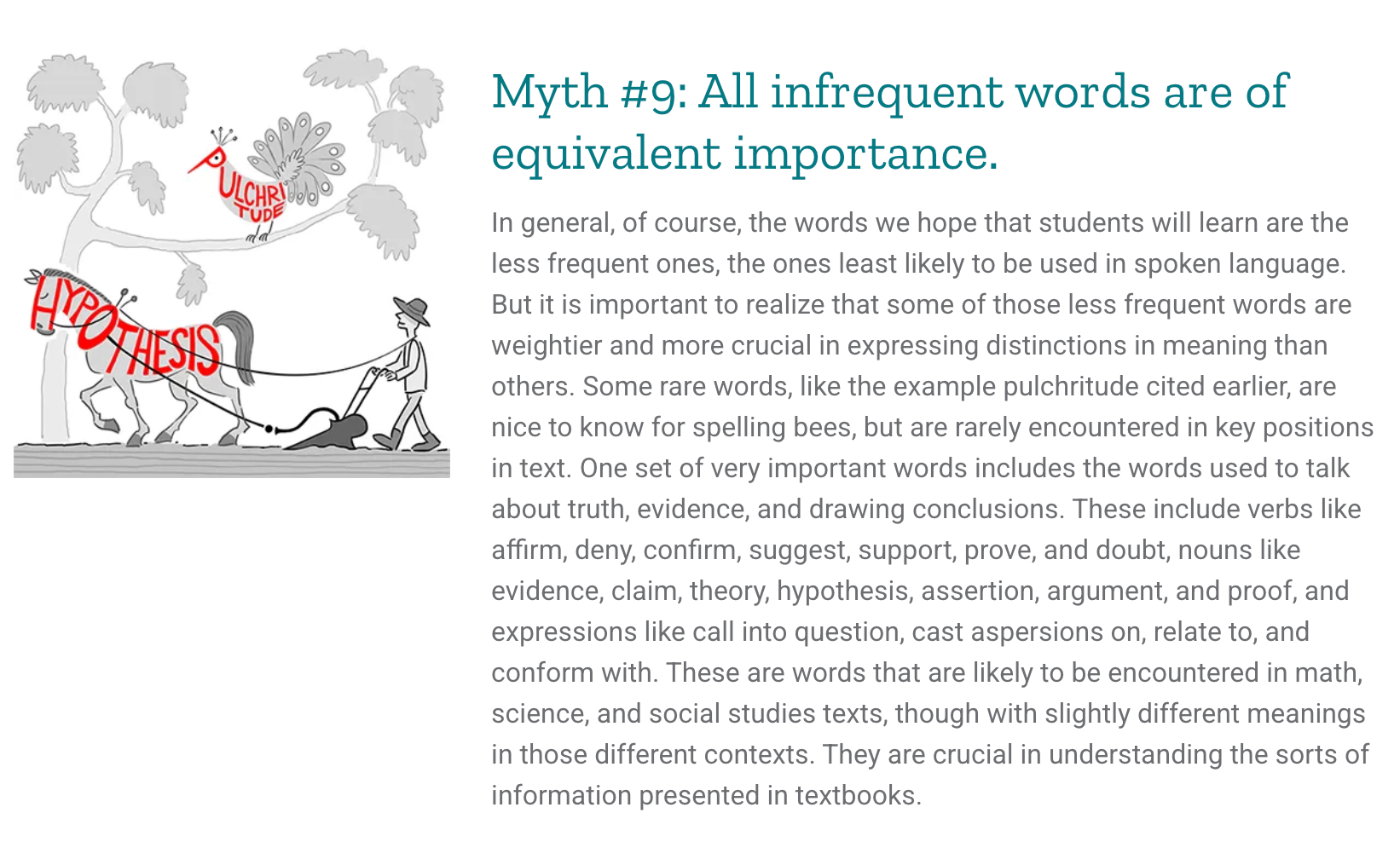
It’s hard to pick a favorite illustration project I’ve done for SERP. For some reason, the answer that pops into my head right now is a set of cartoons I did to go with a teacher-facing list of
Twelve Vocabulary Myths Debunked. I like them because they’re simple, nicely drawn, and they use visual wit to illuminate the content they go with.
What's Next on the Drawing Board
What new projects or updates are you excited about right now?
I’m updating a few illustrations for STARI. My role there is tiny, but I’m really happy to be able to contribute anything I can to such an effective reading intervention.
My main project right now is a high school civics project. Sometimes there are cartoons and illustrations to do, but for now it is mostly a research and writing task, with lots of input from wonderful teachers.
How do you hope students engage with your artwork as SERP evolves its curriculum?
I hope I can continue to amuse and instruct, to make people smile and also make it easier to digest challenging concepts.