
Adolescent Readers Are Finally Having Their Moment
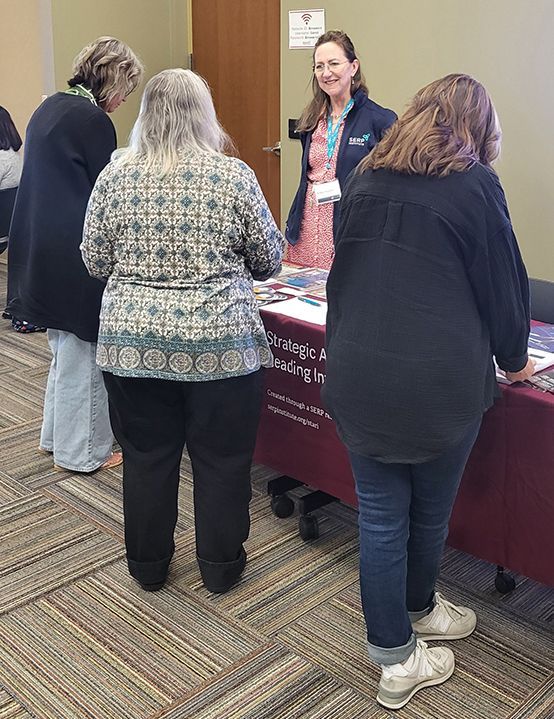
This spring, I had the privilege of meeting educators from across the state of Minnesota at a series of invited vendor fairs. Their message was consistent and clear: they are searching for evidence-based strategies and materials that support effective literacy instruction for students in grades 6 and up who are still developing the complex reading skills needed for academic success.
These educators understand something that is easy to overlook in national literacy conversations: learning to read does not stop after third grade, for anyone. And as students move into adolescence, the instructional strategies that worked for younger learners must evolve to meet them where they are.
Adolescents are not merely taller versions of their elementary selves and they are much less likely to engage with materials or activities that feel 'babyish' or disrespectful of their intelligence and experiences.
A shifting national conversation
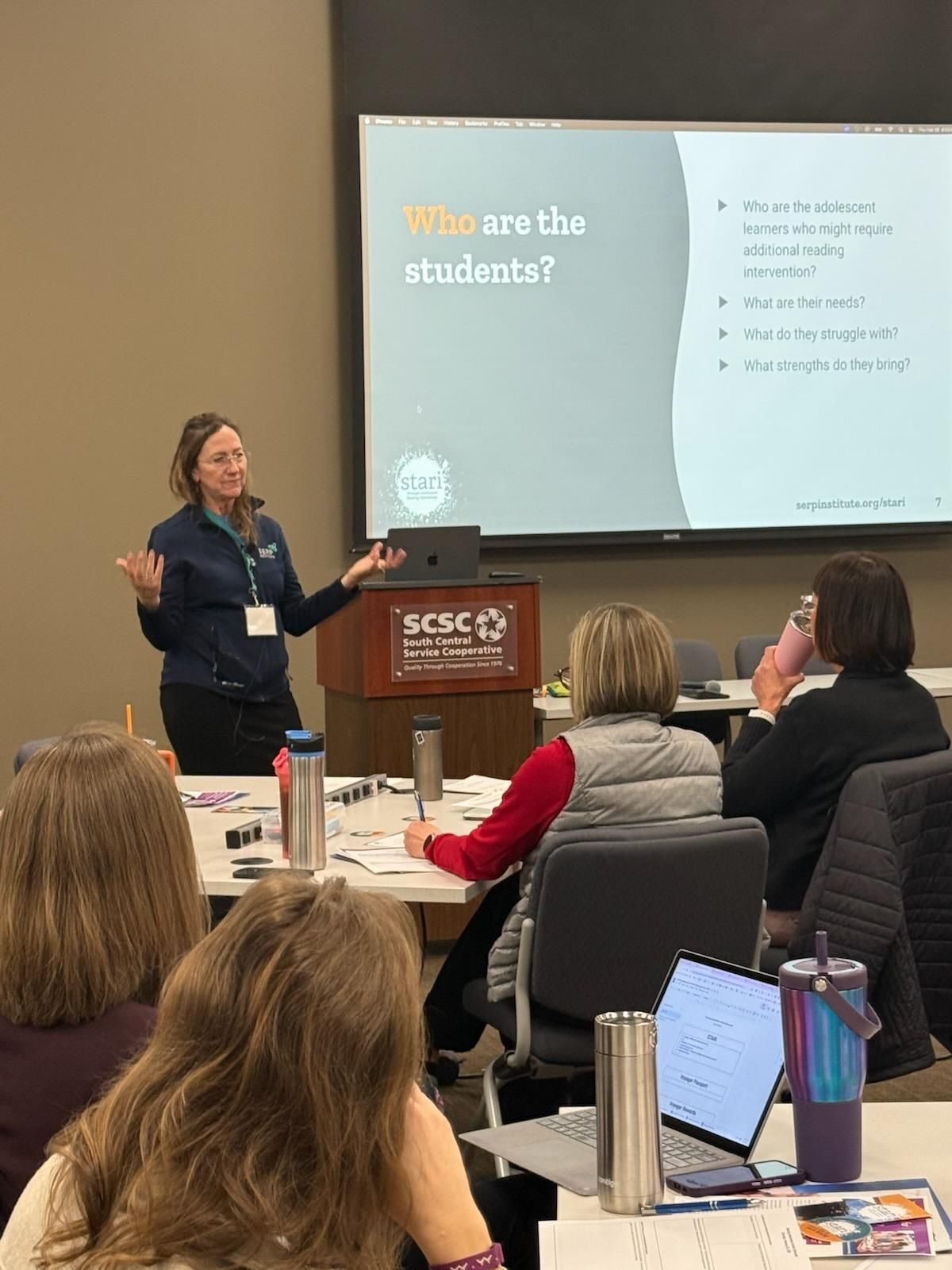
While much of the policy and media attention around literacy has focused on K–3 instruction, Minnesota educators are thinking carefully about older readers too. As districts prepare for full implementation of the Minnesota READ Act, which requires schools to develop literacy plans supporting students across all of K–12, the question of what evidence-based literacy instruction looks like for adolescents is gaining the attention it deserves.
More than decoding
The middle school educators I met consistently emphasized that intervention for adolescents must feel age-respectful, engaging, and academically meaningful. Successful decoding is foundational, there is no question about that. But effective readers do much more: they synthesize and critique information, use inference and textual evidence to argue claims, and apply meaning-making strategies across subjects and text types.
Developmentally, adolescents are ready for those complex tasks, even when they are still solidifying vowel teams, consonant clusters, and syllable patterns. Providing opportunities to engage with challenging content while continuing to build foundational skills helps students gain genuine confidence, and avoids the sting that comes with approaches that focus exclusively on remediating deficits.
Providing opportunities to read and grapple with complex content while still building foundational skills helps adolescents gain confidence in their learning.
What teachers are looking for
Teachers returned again and again to one theme: materials that middle schoolers will see as relevant and respectful, not something that signals failure the moment it lands on a desk. District leaders raised thoughtful questions about scheduling, professional development, and how to rebuild reading confidence for students who may have spent years feeling disconnected from reading.
When teachers reviewed the books and
STARI materials I brought, the response was immediate. Some exclaimed over particular titles. Others pointed to how decoding instruction was woven throughout the lessons, how fluency themes connected to the novel reading, and how the debate questions were genuinely the kinds of topics students want to argue about.
The enthusiasm in those conversations was unmistakable. Adolescent striving readers are finally having their moment and the educators I met this spring are ready to meet them there.